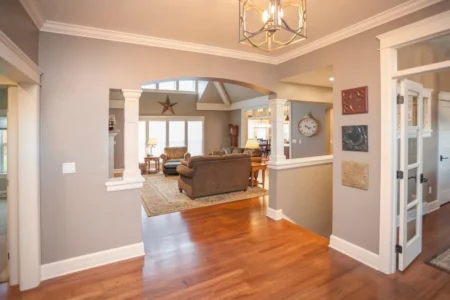


The popularity of engineered hardwood among flooring options can be owed to its natural wood aesthetics and moisture resistance. From kitchens to basements, it features a layered construction that feels distinctive in various environments. Thoughtful maintenance can increasingly contribute to its prolonged lifespan and structural integrity.
Applying regular cleaning methods to these floors without acquiring enough information about the product and its applicable areas can impact the purpose beyond limits. Abrasive tools, harsh chemicals and the use of excess water can not only dampen but also cause permanent discoloration over time.
This is why using an informed approach for cleaning engineered hardwood floors is the key to keeping your flooring in the best condition for decades. To help you with the same, this blog will elaborate on how to clean engineered hardwood floors, focusing on approaches especially meant to protect the floor finish.
Understanding Engineered Hardwood Flooring
Engineered hardwood floors are bonded together in multiple layers under heat and pressure. The top layer consists of real hardwood with a thickness ranging from 2mm to 6mm. Thereafter, the core layers make use of plywood or high-density fiberboard. This approach to construction helps to limit expansion and contraction, improving dimensional control that helps with safety measures in a changing climate.
Moisture sensitivity is a critical distinction between engineered and solid hardwood that makes homeowners rethink their choice of traditional hardwood. These are made from solid wood planks that are carved from a single piece of timber. These materials respond dramatically to exposed humidity. On the contrary, engineered hardwood is structured in layers that constrain movement, making it a favourable choice for homeowners for use in all seasons.
While winning on stability levels, engineered hardwood remains susceptible to excess moisture. The protective finish absorbs water that results in peeling or even delamination in some cases. A thinner top layer also means you have to be more careful with wear and tear.
This construction is the reason why cleaning methods on engineered hardwood require extra attention. As it becomes essential to avoid moisture penetration that would otherwise affect the underlying layers.
Everyday Cleaning That Protects the Floor Finish
When cleaning engineered hardwood floors, it is imperative to keep up with regular dry cleaning. This helps remove dirt, dust, and grit quickly. Most importantly, it prevents them from sitting and wearing down the floor’s protective layer.
Microfiber dust mops are ideal for sweeping out the trapped particles. The electrostatic properties of microfiber attract dust, eliminating the need for any chemical sprays separately to ensure dust removal.
For a deep cleaning that extends beyond just a quick sweep, make use of a soft broom. Choose the ones with gentle bristles. Alternatively, you can use a vacuum cleaner that has a hardwood floor attachment for the purpose. Focus on areas under furniture where dirt secretly collects and usually goes unnoticed. Avoid using beater bars or a spinning brush. These cleaning products can leave scratches and damage the shiny top layer.
Recommended Cleaning Products and Tools
Knowing how to clean engineered hardwood floors with the right products and their proper application is particularly beneficial to preserve your floor’s integrity. There are several pH-neutral cleaners, particularly formulated for hardwood floors, to clean effectively, ensuring no dust deposit. You can buy these from any nearby flooring retailer.
All-purpose cleaners containing wax or oil can build up over time on your hardwood flooring, creating a cloudy appearance that can bother your cleaning instincts. Products marketed with the “wood -friendly” tag can make floors slippery, making them unsafe for foot traffic and also attracting dirt.
Also, steam cleaners, though alluring, can threaten your floor’s properties. The high heat content and moisture can cause the existing layers to separate, penetrating the finish. Products labelled as “ sealed hardwood” are likely to expose the floor to excess moisture than it is equipped to handle. In such situations, dry microfiber clothes are the most trusted cleaning material for gentle cleaning.
How to Clean Engineered Hardwood Floors Without Causing Damage

For effective cleaning, take care of the moisture content. To begin with, use dry methods to push off the loose dirt lingering around. Moving on, prepare your cleaning solution by adhering to the manufacturer’s instructions focused on dilution. A carefully prepared diluted cleaner works far better than concentrated formulas.
Dampen the mop without letting the water drip throughout. Squeeze the extra water out to ensure dry mopping towards the wood grain. Apply even strokes and cover small sections. This helps in quick drying and ensures no damage to your engineered hardwood.
After mopping each section, immediately dry it with a clean microfiber cloth or allow it to air dry for 2-3 minutes. Standing water should never remain on the surface. If you see water pooling or sitting in cracks between planks, your mop is too wet.
Once mopping in each done is done thoroughly, use a clean microfiber cloth for immediate drying. Or, you can let it dry for a few minutes, ensuring no standing water remains on the hardwood flooring in bathrooms and kitchens. Water pooling is a clear sign of a wet, dripping mop and can make the water sit between planks. If certain spots on your floor are diverting your attention, spray cleaner on a cloth to blot it off. This helps you to take control of moisture levels and help address spills on a prior basis. Avoid rubbing the mark, or it can lead to scratches.
Common Cleaning Mistakes to Avoid
The most reported mistakes that homeowners often make are using excess water to clean the hardwood flooring. Yes, water is essential to clean, but a dripping mop forces the liquid flow into the seams between planks.
Abrasive tools equally pose a hazard to your shiny floor. A tough stain might compel you to use steel wool or stiff-brustled brushes, but that will also impact your flooring’s finish. Scratch on the surface sealing can make it vulnerable to excess moisture absorption, and not to mention dirt.
Here are some natural DIY recommendations for your cleaning purposes. Vinegar is a proven and popular option, but it can dull the shiny finish if used repeatedly. Oil soaps and wax-based cleaners attract dirt, making the floor feel sandy no matter how often you clean it. pH-cleaners remain the best of all for cleaning hardwood flooring.
Dealing With Spills, Stains, and Marks
Spills happen, doesn’t matter how careful anyone is. The real difference comes down to how fast they get handled. Quick action matters, but doing it right matters more. Dealing with coffee or juice spills may panick you in the moment. Calm down and blot gently with a dry cloth. Don’t wipe it around or scrub hard. That just makes it worse and and forces liquid deeper into the wood.
Pet owners are always finding ways to eliminate the adverse effects of pet soiling. Their urine contains acidic constituents that can cause discoloration to your polished hardwood floors if not taken care of in time. Even in busy spaces like the kitchen or bathrooms, where moisture resistance is usually high, standing liquid can cause similar issues.
To remove scuff marks from furniture or shoes, use a clean microfiber cloth to buff the particles out. For stubborn spots of rubber, rubbing the mark gently with a tennis ball works well against the residue, favouring the floor’s integrity.
Long-Term Care Tips to Extend Floor Life
Proactive protection is key to preserving the appeal of the premium hardwood flooring. High-traffic areas, like hallways, are always in need of extra care for the continued underfoot comfort. To ensure the same, invest in high-quality doormats and position them at every entrance to resist the moisture and grit from reaching your floors. Avoid the use of rubber-backed rugs as they trap moisture easily and dampen the colour.
Furniture legs often leave permanent marks that get stubborn with time. Apply felt pads at the foot of all furniture and replace them periodically before they wear down completely.
Wood expands and contracts with humidity fluctuations. Its a natural property that is unavoidable. The ultimate solution is to keep the indoor humidity between 35% and 55% so those changes stay minimal. Bright sunlight though necessary for the positivity adds another another layer of concern. UV exposure gradually fades and damages the finish. Curtains provide simple protection.
When to Seek Professional Flooring Advice
Keeping up with basic routine maintenance resolves most of the urgent hardwood flooring issues. Despite that, if your floor is still showing signs of fading, scratching or areas highlighting worn finishes, professional intervention becomes paramount.
Keeping up with basic routine maintenance resolves most of the urgent hardwood flooring issues. Despite that, if your floor is still showing signs of fading, scratching or areas highlighting worn finishes, professional intervention becomes paramount.
Also, carefully go through the manufacturer’s warranty before opting for any new restorative products. Certain warranties come with strict clauses about the choice of chemicals. An unapproved shine restorer can deny your coverage.
For homeowners with hardwood flooring in Brampton, local humidity fluctuations can sometimes cause unique expansion issues. Best Tiles & Flooring can assess the condition of your floors and provide specific recommendations on whether a screen-and-recoat is possible or if replacement options should be considered.
Clean Floors Start With the Right Approach!
We know that a lot of life happens on your floors, and keeping them in great shape is a priority. At Best Tiles and Flooring, we are more than just a showroom. We are here to help with any questions you have after your installation is complete. If you need maintenance tips or want a new addition for your home, we are here to help you find the best solutions.
FAQs
How often should engineered hardwood floors be cleaned?
Dust or sweep daily to remove grit that scratches the finish. Damp mop locally as needed, or clean the entire floor weekly using a microfiber mop. Avoid excessive mopping to limit moisture exposure.
Can I use water to clean engineered hardwood floors?
Use water sparingly. The mop should be damp, not wet. Excess water can seep into seams, causing warping or swelling. Always dry the floor immediately if water pools on the surface.
Are steam cleaners safe for engineered hardwood?
No. Steam cleaners force heat and moisture into the wood layers, which can damage the finish and cause the engineered layers to delaminate or warp. Stick to damp microfiber mops.
What type of cleaner is best for engineered hardwood floors?
A pH-neutral cleaner specifically formulated for hardwood floors is best. Avoid ammonia, vinegar, wax-based products, and oil soaps, as they can dull the finish or leave a sticky residue.
How do I remove stains from engineered hardwood flooring?
Blot liquid spills immediately with a dry cloth. For sticky spots, use a slightly damp cloth with a mild hardwood cleaner. Avoid harsh scrubbers or abrasive powders that scratch the finish.
Can vinegar be used on engineered hardwood floors?
It is not recommended. Vinegar is acidic and can gradually dull and erode the protective surface finish over time. Use a pH-neutral commercial hardwood floor cleaner instead for safe results.
How do I prevent scratches on engineered hardwood floors?
Place felt pads under furniture legs, use doormats at entrances to trap grit, and keep pet nails trimmed. Avoid wearing high heels or sports cleats on the floor, and lift furniture when moving it.
Is engineered hardwood easier to maintain than solid wood?
Generally, yes. Engineered hardwood is more dimensionally stable and resistant to humidity changes than solid wood. However, both require similar cleaning routines—gentle sweeping and minimal moisture to protect the finish.
Can engineered hardwood floors be refinished?
It depends on the thickness of the top wear layer. Thicker layers (3mm+) can often be sanded and refinished once or twice. Thinner layers may only allow for a “screen and recoat.” Consult a professional first.
When should I consult a flooring professional for maintenance?
Consult a professional if you see deep gouges, signs of water damage (cupping/warping), or if the finish is peeling. They can advise if repair, refinishing, or replacement is the best option.